


from the desk of a wedding calligrapher

The 5 Biggest Factors That Influence Wedding Invitation Pricing
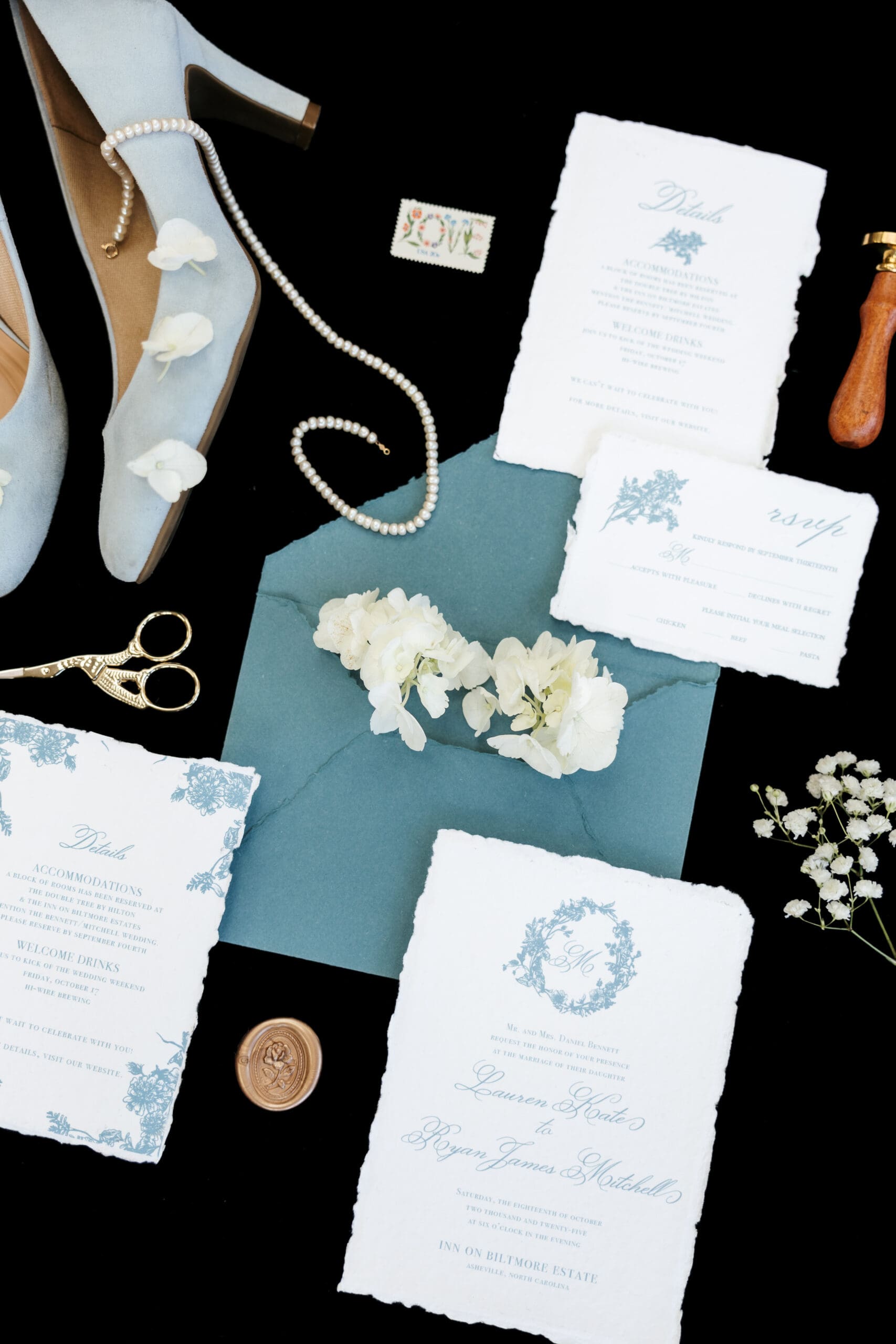
If you’ve recently Googled “how much do wedding invitations cost?” and ended up more confused than when you started, you’re not alone.
If you’re planning a wedding and starting to research wedding invitations, you’ve probably seen pricing all over the place. Some websites make invitations seem like a small line item, while others make them feel completely out of reach. The truth is somewhere in the middle, and it usually comes down to a handful of key decisions that shape the final investment.
Wedding invitations aren’t priced like a single product sitting on a shelf. They’re a mix of design, materials, printing, and hands-on assembly. Once you understand what influences the cost, everything starts to make a lot more sense.
In my years of experience designing wedding invitations here are the 5 biggest factors that influence wedding invitation pricing.
1. Print Method
Printing is one of the first things that affects wedding invitation pricing, and it’s often where couples start to see noticeable differences in quotes.
Digital printing is the most budget-friendly option and works beautifully for many invitation styles. The design is printed directly onto the paper using high-quality ink, which allows for full color, clean lines, and flexibility with artwork. It’s a great choice if you love watercolor details, layered colors, or a classic, polished look without the added production costs of specialty techniques.
Letterpress is a traditional printing method where your design is pressed into thick paper using a custom plate. Instead of sitting on top of the paper, the ink is physically impressed into it, creating that soft, debossed texture you can feel with your fingertips. It’s subtle, refined, and timeless, but it does require custom plates and specialty press time, which increases the investment.
Foil stamping uses heat and pressure to apply metallic foil to the paper. This is what creates that reflective gold, silver, or champagne shine that catches the light. Like letterpress, it requires custom dies and specialized equipment, and the added production steps are reflected in the price. The result feels elevated and statement-making, especially for formal celebrations.
When you see a difference in wedding invitation pricing, the print method is often a big part of the reason why. Each technique offers a different look and feel, and understanding those differences makes it much easier to decide where you want to invest.
2. Paper Quality
Paper is one of those details that people don’t think about until they feel it in their hands.
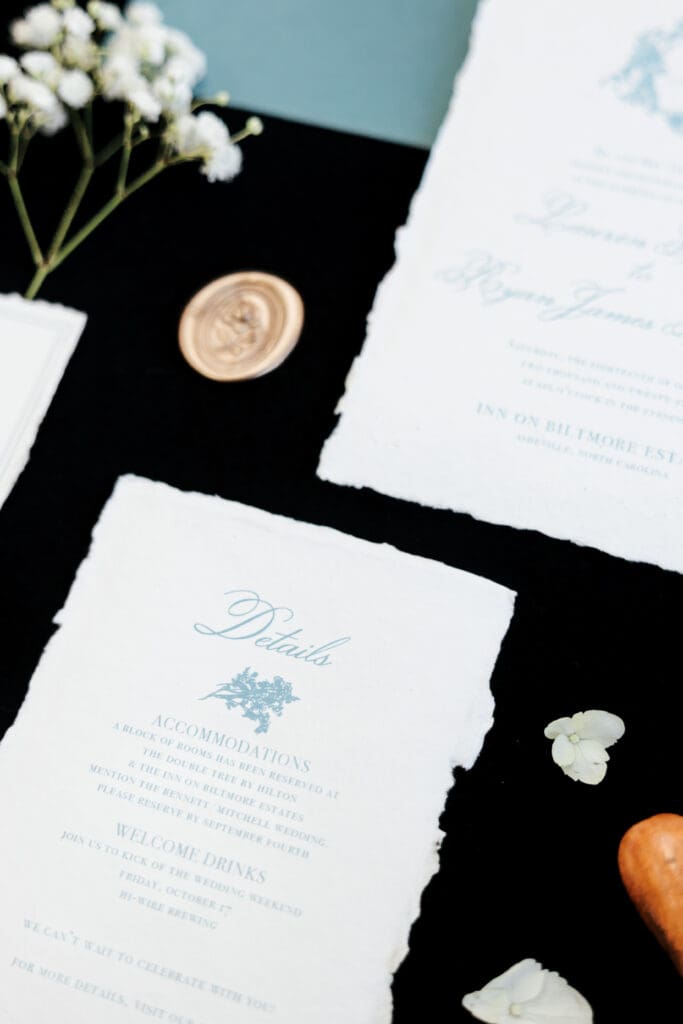
A thick cotton stock feels completely different from standard cardstock. It has weight, softness, and presence. Even before a guest reads a single word, the invitation feels substantial, intentional, and special.
Hand-torn edges can take that tactile experience even further. The irregular, delicate edges create a soft, romantic look that feels like each piece was crafted just for your celebration. It’s an understated detail that adds texture and personality without requiring extra embellishments.
Higher-quality paper costs more to produce and print on, but it’s one of the most noticeable upgrades in a suite. It quietly elevates the entire invitation experience, making your stationery feel thoughtful, luxe, and memorable.
3. The Number of Pieces in Your Suite
The size of your invitation suite plays a bigger role in pricing than most couples expect.
A simple suite with just the invitation and envelope will always cost less than a traditional suite with an RSVP card, details card, and multiple envelopes. Every additional piece requires design setup, printing, and assembly time.
This doesn’t mean more pieces are better or worse. It just means that each card you add becomes part of the overall investment. Many couples find a balance by including only the information that truly needs to be printed and directing guests to their wedding website for the rest.
4. Guest Count
Invitations are ordered by household rather than by individual guest, but quantity still matters. More invitations mean more paper, more envelopes, more addressing, and more assembly.
Even small changes to your guest count can shift your invitation budget. This is one of the reasons stationers often ask about estimated household count early in the process. It helps create realistic pricing from the start instead of surprises later.
5. Finishing Details and Embellishments
This is the category that transforms invitations from beautiful to unforgettable.
Details like:
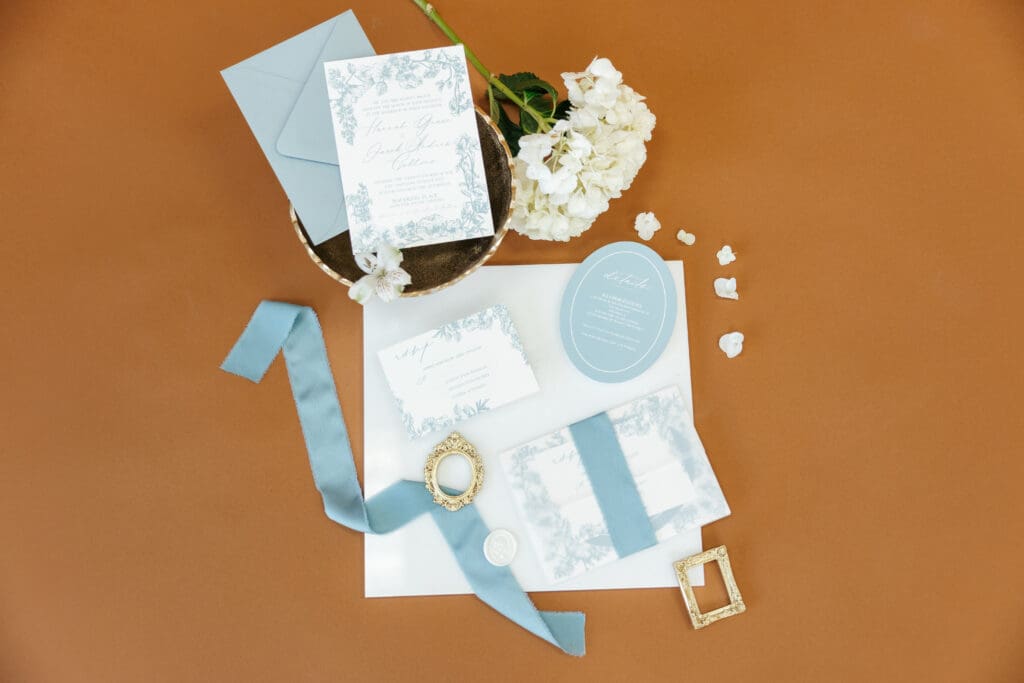
- Silk or chiffon ribbon
- Wax seals
- Envelope liners
- Vellum wraps
- Custom monograms
- Specialty or vintage postage
These elements add depth, texture, and personality. They also add material cost and hands-on assembly time.
When couples see styled photos on Pinterest or Instagram, they’re often looking at suites with multiple embellishments layered together. Those details are stunning, but they are also part of why luxury wedding invitation pricing differs from basic template options.
Why Invitation Pricing Feels So Confusing
A lot of the confusion around wedding invitation pricing comes from how invitations are shown online. You usually see the finished suite styled perfectly, but not the design revisions, paper sourcing, print coordination, or assembly behind the scenes.
Invitations sit at the intersection of design and production, which makes pricing more layered than most wedding purchases. But that flexibility is also what allows couples to prioritize what matters most to them.
There’s no single “right” amount to spend on invitations. There’s just the combination of choices that fits your wedding, your priorities, and your budget.
Final Thoughts
Understanding what drives wedding invitation pricing makes the process feel a lot less overwhelming. Instead of guessing where the cost is coming from, you can make intentional decisions about paper, printing, suite size, and finishing details.
If you’re planning a wedding in South Carolina, across the Southeast or anywhere and want guidance on creating custom or semi-custom wedding invitations that align with your vision and your budget, I’d love to help you explore your options. Reach out and lets start a conversation!